
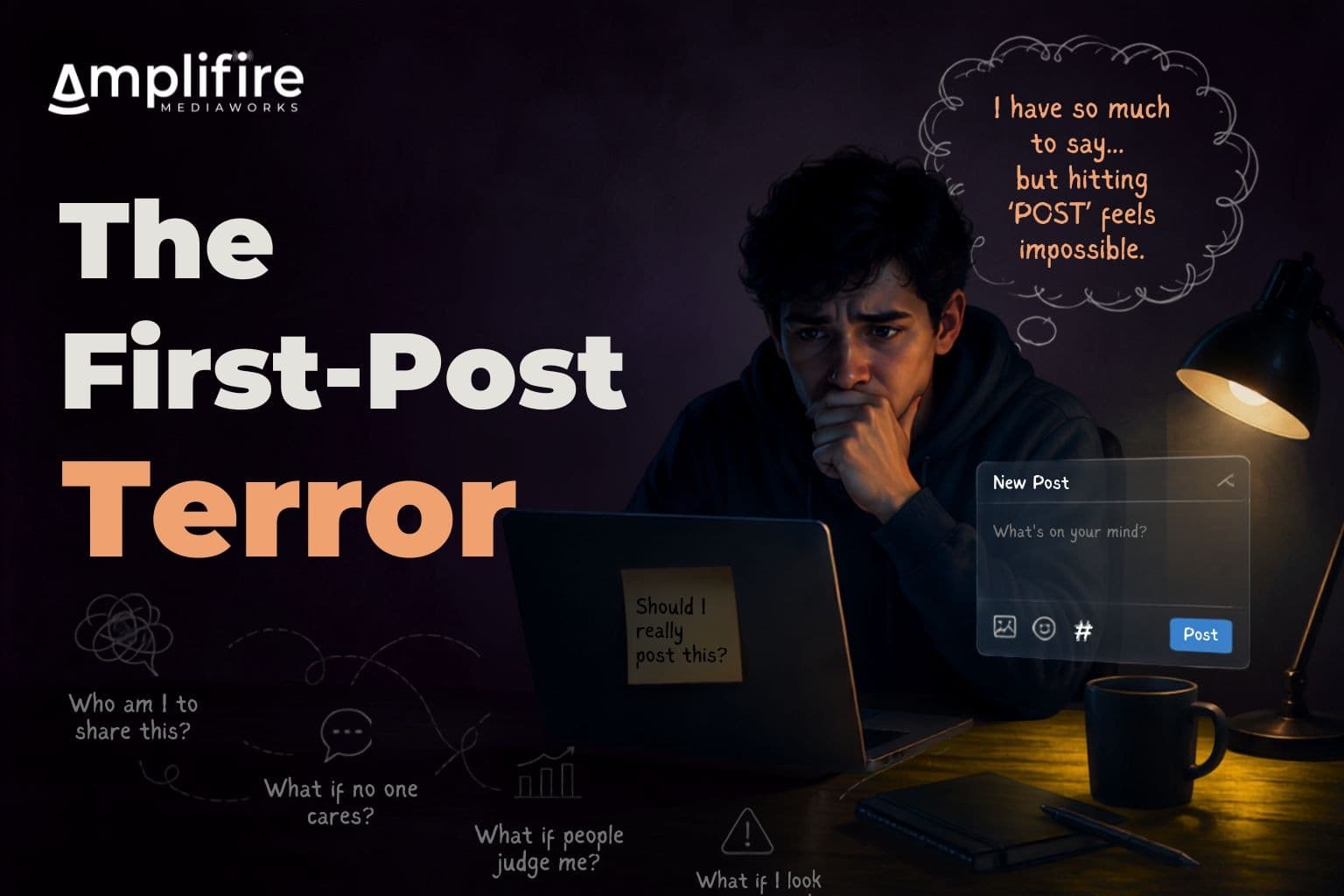
At 11:47 p.m., a 200-word LinkedIn draft can feel more dangerous than the board presentation scheduled for nine the next morning.
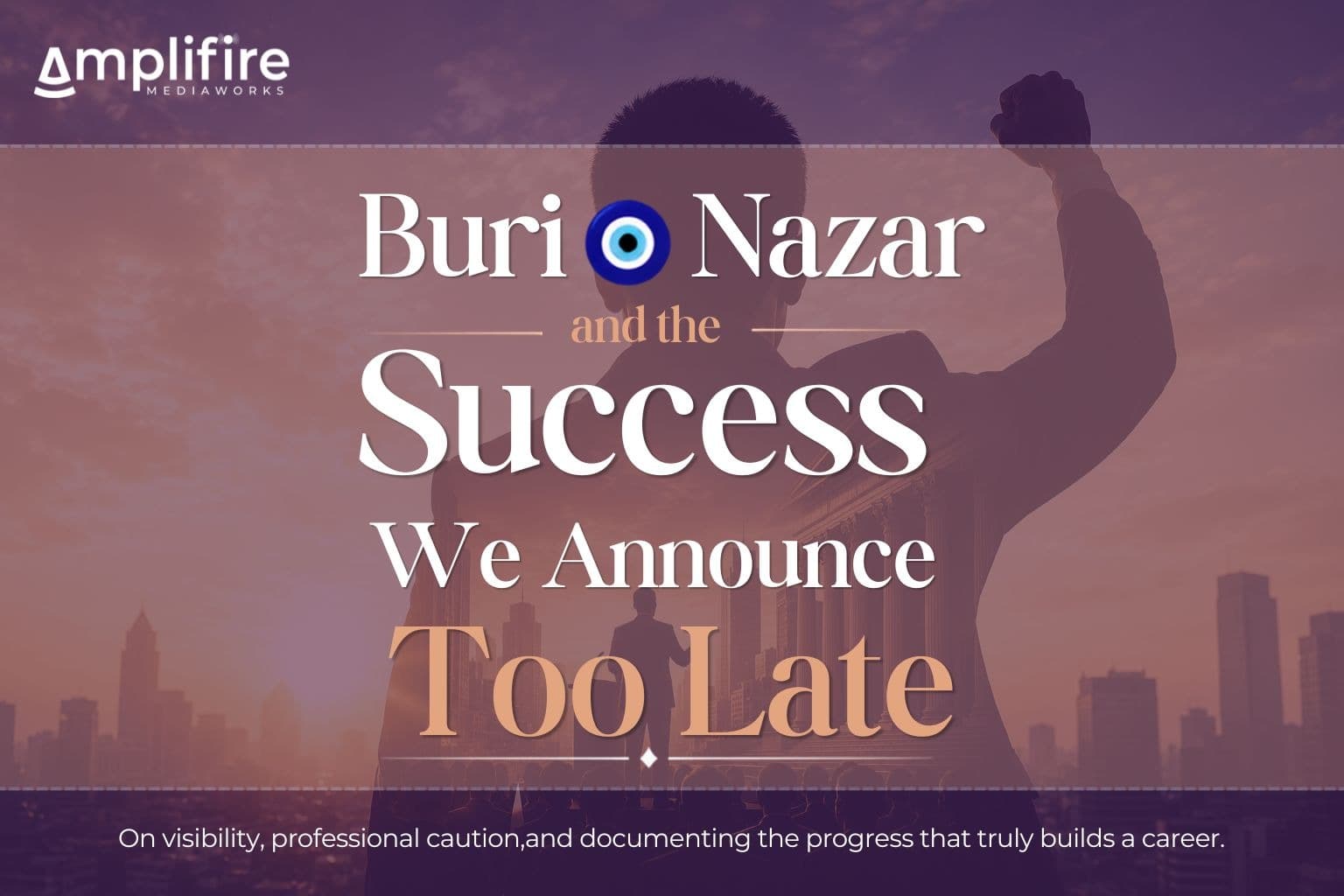
The cursor hovers over Publish. Another adjective gets changed. The opening is rewritten for the sixth time. The chai beside the laptop has gone cold. This can happen to someone who chairs boards, handles difficult clients and makes expensive decisions under pressure. Professional competence offers surprisingly little protection from the discomfort of being visible. The two situations ask for different things. A boardroom gives you a role, an agenda and a defined audience. A public post carries your name into an open room where former colleagues, clients, competitors and complete strangers may read it without any surrounding context. The mind quickly invents a full attendance list. Every peer will notice the awkward sentence. An old colleague will question the opinion. Someone more accomplished will wonder why you thought the point was worth publishing. The real response is usually much quieter. Plenty of people will scroll past. A few may read the post between meetings. By evening, even fewer will remember the exact wording that took an hour to polish. The likely downside is equally ordinary. The post may receive little engagement. A sentence may feel clumsy the next morning. Perhaps the idea will fail to connect and disappear into the feed. A careless or inflammatory post can certainly harm a reputation. A measured, useful opinion usually carries far less danger than the writer assigns to it. Publishing deserves judgment, but a 200-word post does not deserve catastrophe planning. Keep the first one small A first post does not need to announce a grand philosophy of leadership, law, business or life. Begin with something narrow enough to explain clearly: One lesson from a recent piece of work A common misunderstanding in your field A small change that improved a process A question that has altered how you approach a familiar problem An observation that may save someone else ten minutes Specificity helps because it gives the mind less room to perform. “Three things every leader must know” creates pressure to sound important. “The sentence that caused confusion in last Tuesday’s meeting” gives the writer something real to describe. The first post has one modest job: make the second post feel like an ordinary task. Confidence follows the reps Waiting for confidence can keep a draft trapped in the notes app for six months. The advice to “publish when you feel ready” belongs in the bin. Readiness often arrives after the act. You publish once, survive the awkward few minutes afterward and return a week later with a clearer sense of what you want to say. By the fourth or fifth post, the button has lost some of its menace. The process is almost disappointingly uneventful. The post goes live. A former colleague likes it. Someone leaves a thoughtful comment. Several hundred people continue with their day. That boring outcome is useful evidence. Some of the fear is older than LinkedIn For some professionals, visibility carries an inherited warning: drawing attention can invite envy, scrutiny or buri nazar. Success should be worn quietly. Speaking publicly can feel uncomfortably close to showing off, even when the post contains a practical observation rather than self-promotion. That instinct predates social media by generations. It deserves recognition because naming it makes the hesitation easier to examine. Useful expertise can be shared with restraint. A professional can offer one careful idea without turning every achievement into an announcement or every morning into a leadership lesson. Write the small post. Check that it is useful, accurate and recognisably yours. Then publish it before the chai needs reheating again.